“We’ve always cared”: black women’s experiences in the care sector
On this page
Every October, Black History Month in the UK invites us to reflect on the contributions, struggles, and triumphs of Black communities. For Black women in the care sector, this month is more than a celebration it’s a reminder of a legacy of labour, resilience and resistance that stretches back generations, writes Georgia Chimbani.
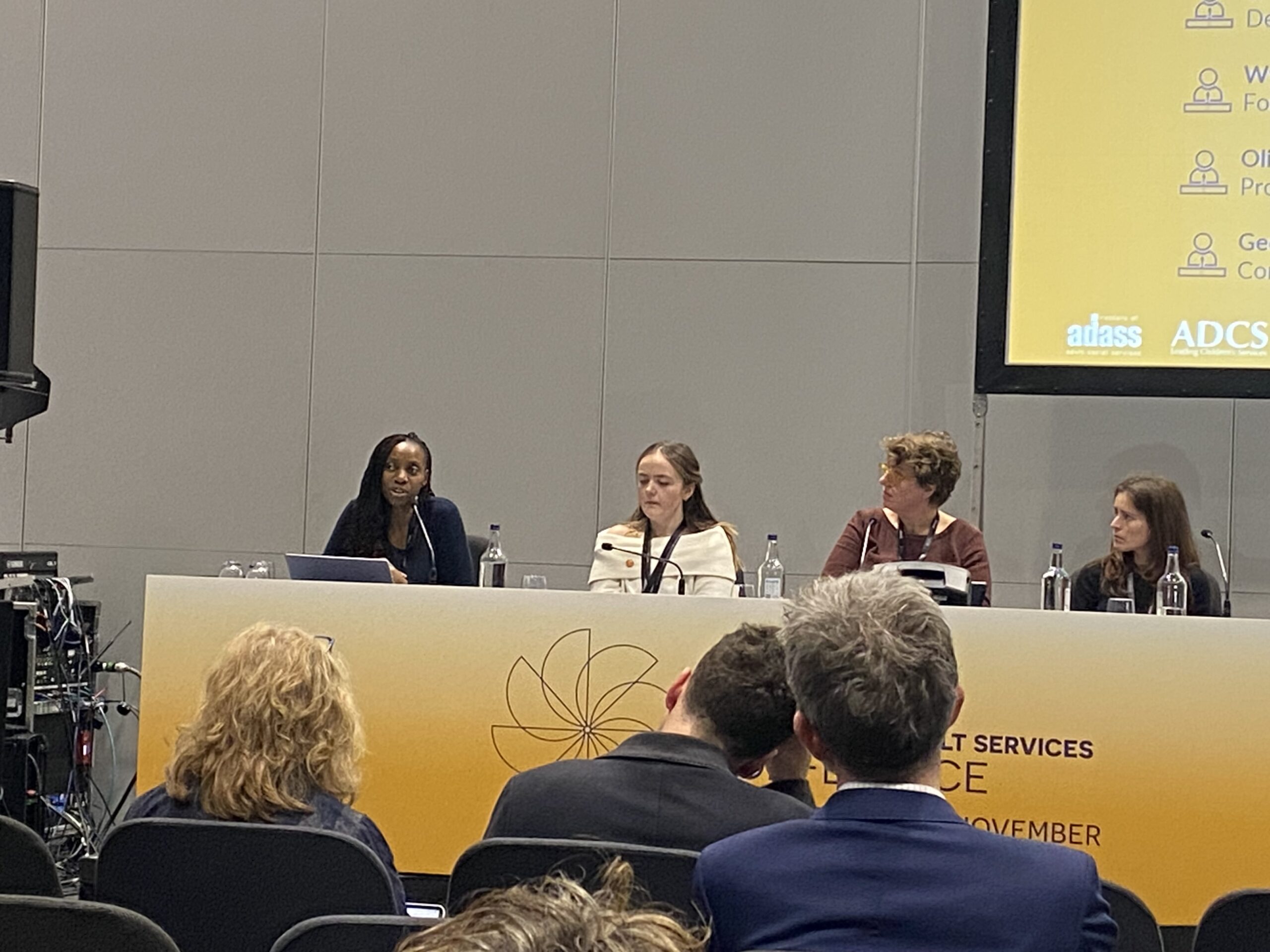
Black women have long been the unsung heroes of caregiving. From the Windrush generation, many of whom were recruited to fill nursing and care roles in post-war Britain, to today’s frontline carers, their labour has been essential to the UK’s health and social care systems, yet their contributions have often been undervalued and overlooked.
Historically, Black women were steered into care work through a combination of economic necessity and systemic racism. Opportunities for advancement were limited and many were confined to the most physically and emotionally demanding roles. Despite this, they brought not only skill but deep cultural knowledge and compassion to their work, qualities that continue to define the sector today.
Today, Black women remain overrepresented in lower-paid care roles and underrepresented in leadership. They often face:
- Racial discrimination and microaggressions in the workplace
- Limited access to promotions and training
- Emotional labour from navigating both caregiving and racial dynamics
- Pay disparities despite equal or greater experience
A 2022 report by the Fawcett Society in partnership with the Runnymede Trust, revealed that 75% of women of colour in the UK have experienced racism at work. In care settings, this can manifest in subtle ways, being passed over for leadership roles, being expected to “do more with less,” or being the go-to for “diversity” without real support. 61% report changing themselves to ‘fit-in’ at work, from the language or words they use (37%), their hairstyle (26%) and even their name (22%). This is not just data; it is my story too.
There are numerous personal stories behind these statistics.
Angela, a senior care coordinator in Birmingham, shared:
“I trained new staff, managed rotas, and handled crisis situations for years. But when a managerial role opened up, I wasn’t even considered. They said I lacked ‘leadership presence’ despite doing the job unofficially for months.“
Marcia, a care home deputy manager in London, recalled:
“I was told I was ‘too assertive’ when I advocated for better working conditions. Meanwhile, my white colleague was praised for being ‘proactive.’ It took me five years longer to reach the same level, and I still earn less.“
It is a familiar story, black women like me are measured by unfair standards and forced to prove ourselves time and again.
Black History Month is a powerful opportunity to centre the voices of Black women in care. Let us celebrate their contributions both past and present, acknowledge the systemic barriers they face and commit to structural change in hiring, training, and leadership pathways.
Many organisations spotlight the stories of black women during this month but these efforts must extend year-round.
Tayo, a care worker said, “We’ve always cared. It’s time the system cared about us.“
As this Black History Month concludes, let us honour the legacy of black women not just with words, but with action in creating a future of a care sector where they are seen, heard, and empowered.
Georgia Chimbani is the Corporate Director Health and Adult Social Care at the London Borough of Tower Hamlets.