Our Life Stories
On this page
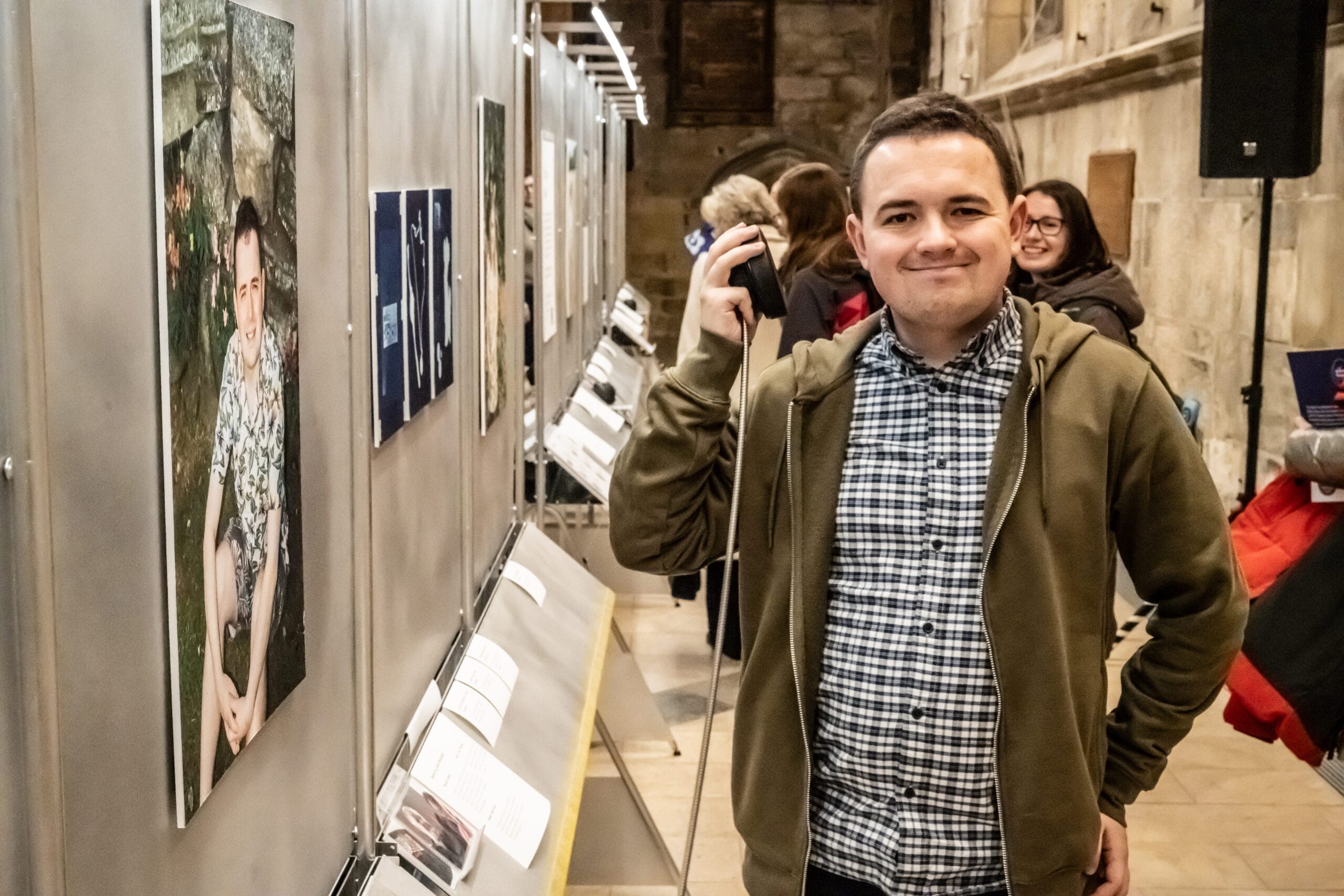
Our Life Stories is a peer research project co-produced by people with learning disabilities and autistic people to record these voices and preserve them for future generations. James Plummer discusses United Response’s exhibition which is taking place across UK this February.
At the heart of the complex disability history of the last decades are real people, each with a story to share. Our Life Stories is a first of its kind peer research project, co-produced by people with learning disabilities and autistic people, intended to document these stories authentically and preserve them for future generations.
A group of 20 people with learning disabilities and autistic people, received training in oral history methodologies over several months. The Interviewers from Richmond, York and Devon then spent fifteen months interviewing their peer across England and collected 61 life stories, which will be archived in the national collection at the British Library.
Exhibitions
The project is currently being brought to life with a touring exhibition throughout February 2026 covering York, Nottingham, London and Cornwall. Featuring over 200 unique objects, including artwork, photography, video and audio interviews, the exhibition is an interactive experience, offering attendees the chance to step into the history of disability in the UK.
Our York event took place from 5th to 8th February and was attended by over 350 people, with attendees telling us:
• “This is such a powerful, important and heart-warming exhibition.”
• “Amazing, powerful and brave. Thank you so much for sharing.”
• “I found out important information I didn’t know.”
• “Powerful – a must see!”
Find out more about the upcoming events at Exhibitions – United Response
Historical and political context
From as little as fifty years ago, people with learning disabilities were shut away in institutions, away from their families often heavily medicated, poorly treated, abused and misunderstood. From the mid-1970s the Care in the Community Policy increasingly favoured providing support at home and in local settings but it wasn’t until as recently as 1990 that the National Health Service and Community Care Act placed Community Care on a statutory footing. Giving local authorities responsibilities for community support services was a watershed moment and helped accelerate the closure of large hospitals and development of group homes and Supported Living. From as recently as 2014, children and young people with learning disabilities were given the right to coordinated support through Education, Health, and Care Plans (EHCPs) with the Children and Families Act 2014 and the SEND Code of Practice.
Despite these advancements:
- People with a learning disability have a lower educational attainment and employment than non-disabled people: only 5% are in employment compared to 81.6% of non-disabled people.
- Around over one-third of people with learning disabilities report feeling lonely “nearly always or all of the time”, indicating social exclusion and barriers to community participation (Share Community, 2025).
- As of June 2025, around 2,040 people with a learning disability and or autism were in inpatient hospital settings and around half of them had been there for more than 2 years (NHS England, 2025).
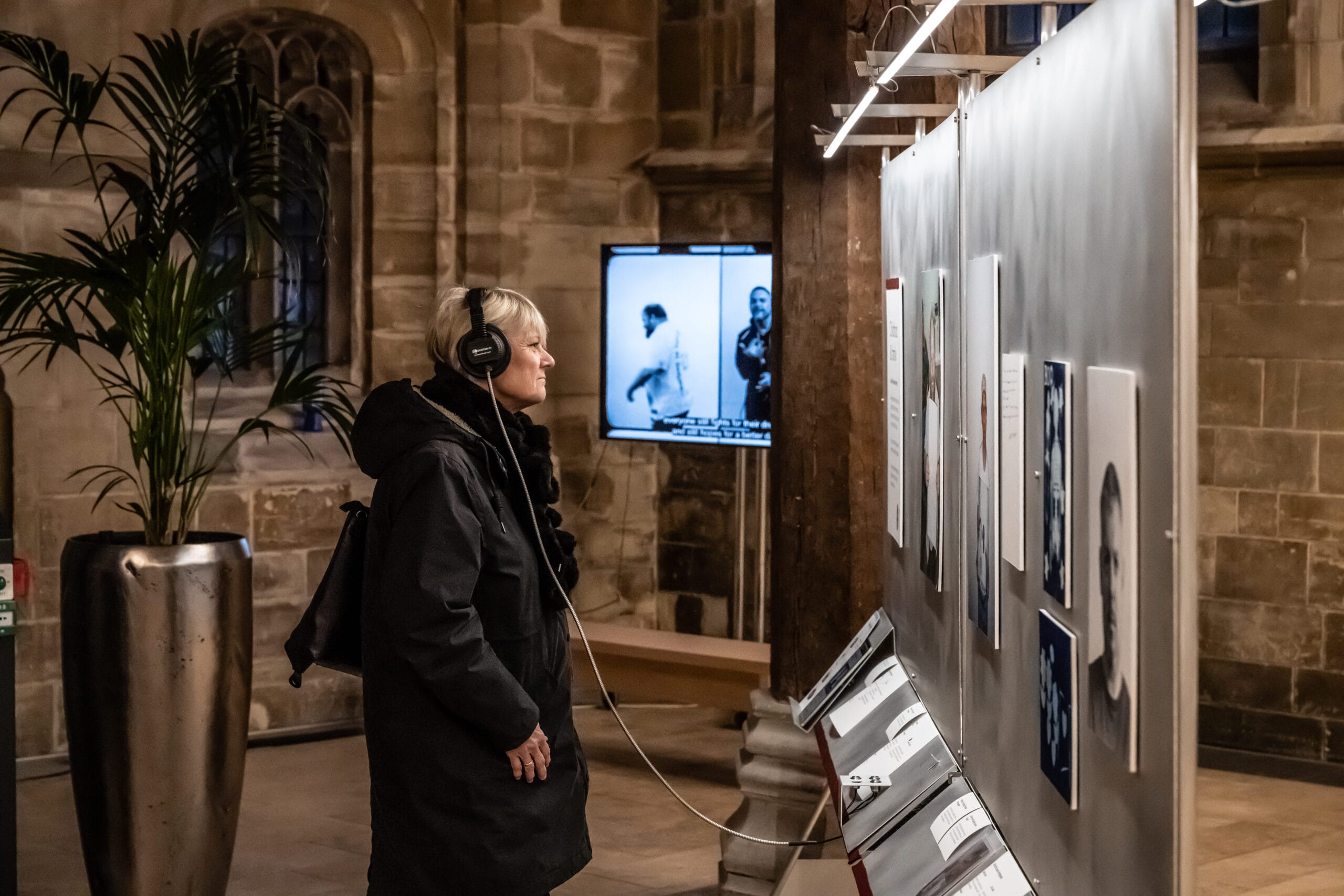
Projects like Our Life Stories are an important platform for sharing not only the personal achievements but also the structural barriers faced by people with learning disabilities. It highlights that there is still much work to do in not only advocating for and providing better health care, education and employment opportunities but also bridging the gap and shifting attitudes away from a disablist society but one with a shared determination to live life equally and fully for all.
Our Life Stories is made possible with The National Lottery Heritage Fund. Thanks to National Lottery players, we have been able to co-produce and document real, disabled and autistic experiences from the last fifty years, preserving the accounts for future generations.
To find out more about Our Life Stories, email our.lifestories@unitedresponse.org.uk