Loneliness is everyone’s business – and adult social care has a vital role to play
On this page
Drawing on insights from his President’s Day and discussions with parliamentarians and partners, ADASS President Phil Holmes argues that tackling loneliness is one of the defining challenges of our time and should be a central goal of adult social care reform.
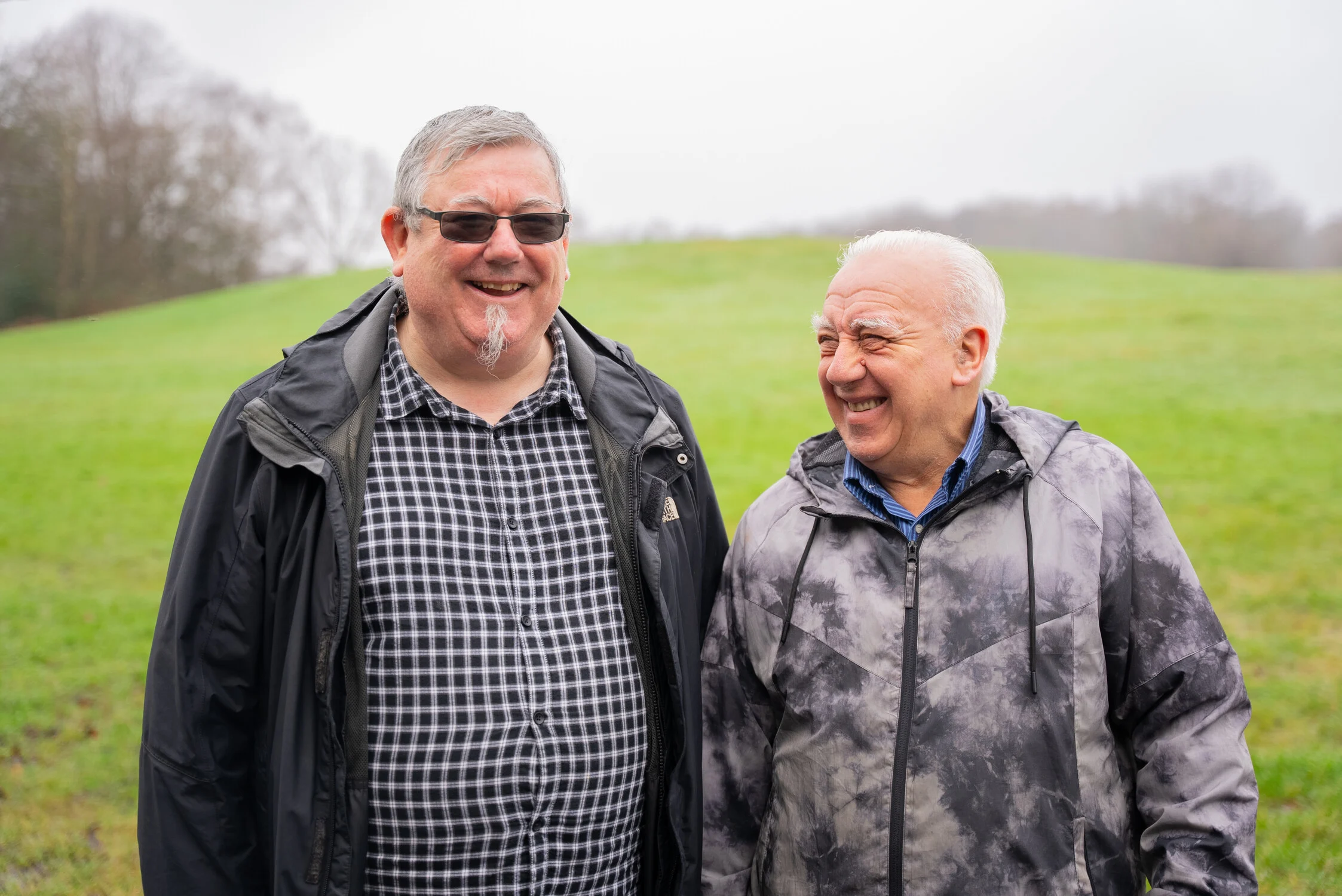
Last week I chaired an event about Adult Social Care’s role in tackling loneliness that was jointly organised by the national Campaign to End Loneliness, the Association of Directors of Adult Social Services and the City of Doncaster Council. It brought together councils from Cumbria to Camden alongside academics, national and local organisations and people who draw on care and support. We’re keenly awaiting national plans to reform Adult Social Care and the event made me more convinced than ever that tackling loneliness needs to be explicitly at the centre of that.
Loneliness has been described by the author Olivia Laing as “a state of longing for more connection and intimacy than you have”. We can all probably relate to that from time to time and it’s also common knowledge that a significant number of people say they feel lonely pretty much always, an extreme loneliness that directly damages both physical and mental health. In spite of this, loneliness always seems to sit on the edge of things. We know it’s out there but we rarely bring it into the centre – perhaps because it’s all too often seen as a personal thing, a stigma, a result of weakness and a source of shame.
We know this isn’t true and that loneliness is by and large societal. For many people, loneliness arises from trauma – perhaps in their family, perhaps in their community, perhaps in the way their disability or health condition has been treated. We also know how loneliness can often be connected to larger forces that seek to stigmatise and exclude groups of people. Compounding this we have seen plenty of evidence that lonely people are easy to radicalise, especially online, so they blame feeling excluded and left behind on others, on scapegoats. We only have to watch the news to know how that turns out.
Described in these ways, tackling loneliness feels like one of the most important things we need to do in 21st century Britain. How could we suggest that Adult Social Care doesn’t have a key contribution to make? The solidarity and support we need to continue giving our global majority workforce is a good place to start – how incredibly intimidating and isolating it must feel to be out there arranging and providing essential care and support at a time when people who look like you are being condemned and targeted as feckless invaders. Absenting ourselves from social media platforms that trillionaires use to foment hate is another logical step if we haven’t done this already.
Last week’s event threw up a number of other practical insights:
- People who drew on care and support showed how tackling loneliness often required relatively small, practical things. For example Wendy told us how the installation of a stairlift reunited her with her sex life.
- We saw practical demonstrations of food bringing people together (Grandma’s Soup), technology building wellbeing and confidence (Kingfisher Phoenix) and the power of peer support to give lonely people love and purpose – by bringing that love and purpose to others (the People Focused Group).
- Voluntary and community organisations told us that they were tired of making and remaking the case to local commissioners that tackling loneliness should be a priority for investment. The evidence base has been there for a long time.
- Everybody’s loneliness was unique to them and attendees also wanted to see more imagination and variety in Adult Social Care responses, beyond day centres and befriending services. Fundamentally this required a “doing with” approach alongside individuals and their networks, not a “doing to” prescription.
- There was pushback, especially from carers, that too much time was spent assessing and not enough time connecting.
- There were reflections on the “taskification” of adult social care, exemplified by time and task homecare, that left no room for the preventative benefits of emotional connection. There was speculation why leaders had been talking about moving away from “time and task” approaches for decades and yet it was still the dominant form of provision.
- There were conversations about the wider role of Local Authorities in tackling loneliness through local amenities and ways to get out and about. Adult Social Care was nested within this.
Tackling loneliness provided a great lens through which to review the need for Adult Social Care and wider public service reform. There were great examples of positive practice that tackled loneliness up and down the country, but progress was patchy. There was a desperate need for new relational models of care and support to at last replace the old transactional models. People who drew on care and support and a range of progressive community organisations were on hand to help councils with this but national leadership also needed to play a strong role so that there was a levelling up of investment and a freeing up of development space. The overlap with Neighbourhood Health was obvious.
Above all, a focus on meaningfully tackling loneliness requires the ability to listen to and understand people where they are. It’s based on the idea that Adult Social Care reform shouldn’t just be about helping people get services, it should be about helping them get a life – a life of connection, a life that contributes, a life with dignity. If it doesn’t start here, Adult Social Care reform can only ever be about managing decline.