How we co-produced our ‘care closer to home’ policy
On this page
ADASS Senior Policy Officer Paul Buddery and experts share their reflections on co-producing our Care Closer to Home policy statement and the importance of the question, ‘so, what next?’.
Jargon is shorthand and a badge of membership: ‘we’re the people who know what we’re talking about’. Adult social care policy is thick with jargon and although this can help with informed discussion, it can also exclude people. Whose knowledge counts? Co-production is a powerful way of counting-in the knowledge of people who draw on care and support, with ADASS committed to bringing co-production into its own policy work.
We piloted a new policy approach to co-production with our Care Closer Home policy group to ensure our positions and priorities could be more inclusive of lived experience. The phrase ‘care closer to home’ has been familiar and influential in health and care for many years. It has served as a navigation point, or an aspiration for several policy areas. By bringing professionals and experts by experience together over several months, our shared ambition was to clarify what people drawing on support actually want ‘care closer to home’ to mean in practice. We worked in partnership with Think Local Act Personal and the National Co-production Advisory Group to support the conversations. The project’s final statement is powerful. It is a challenge and a corrective which puts a spotlight on how care is agreed and provided, not simply where it is ‘delivered’.
The care closer to home policy Co-Leads Vicki Pattinson (DASS South Tyneside) and Jill Harrison (DASS, Hartlepool) were supportive of the work and were positively engaged through every twist and turn. This was a pilot process which was being conducted while the ground was shifting. Within DHSC and the NHS, care closer to home was being translated at speed into Neighbourhood Health, which had become a priority within the 10-Year Health Plan. ADASS policy development on Neighbourhood Health was being taken on by other policy leads, enabling the care closer to home group to move its focus to prevention and early support.
None of this was helpful in landing tightly targeted proposals. Instead, what emerged from the project, after the system labels have been peeled away and the chairs had been re-arranged, was a strong reality-check, underlining that choice and control must be at the centre of ADASS policy and advocacy. Below, they share insights on their work on developing our Care Closer to Home policy statement.
Jill Harrison
DASS at Hartlepool
‘Being involved in this work reminded me that co–production isn’t something that you can plan in detail or that always has a defined end point. It takes time and during that time policies and national priorities can change and so can the people who are involved. The end point may also change depending on what people with lived experience contribute and what matters to them, and that’s not necessarily a bad thing. Although co–production may not be a straight line from A to B, the learning on the journey definitely makes it worthwhile’.
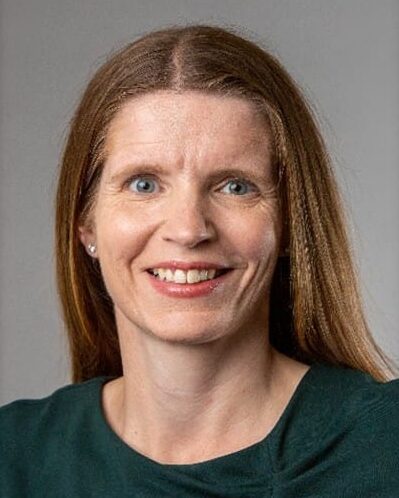
Jenny Carter
National Co-production Advisory Group (NCAG)
‘The ADASS care closer to home project brought together people with different perspectives for an open conversation on what care closer to home actually means to people. It was good being involved in national policy discussions with senior adult social care leaders, but my challenge would be that I don’t know what the outcome has been, what comes next? Going forward, I’d like to see ADASS doing more to build on this approach to its policy work, making sure that we stay focused on the real positive change co-production can make’.

Jacqui Darlington
National Co-production Advisory Group (NCAG).
‘There are still lots of questions about what care closer to home means in a practical sense. Does it mean that things will be done more locally and if so, how does that work in a rural area? What happens when appointments are cancelled, when nurses don’t turn up, when you are struggling? In reality, it means that the unpaid carer takes on the extra workload because we are the ones that are always there 24/7. Policy makers need to work with us to co-design neighbourhood health around our realities’.

Vicki Pattinson
DASS at South Tyneside
‘This work has reminded me to keep coming back to people, their lives, their experiences and what really matters to them. We’re starting to see what care closer to home can mean in practice: better joined-up support, stronger partnerships and a clearer focus on independence. But it’s not simple. Policy keeps shifting and people’s experiences are different; there’s no single answer. For me, the lesson is clear: this is less about redesigning services and more about relationships, trust, and working differently with people’.
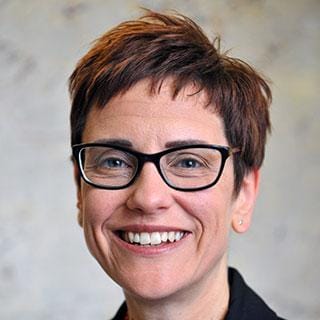
We are grateful to everyone who came together towards co-producing our Care Closer to Home policy statement.