Isaac’s story: Social care allowed me to reauthor my life
On this page
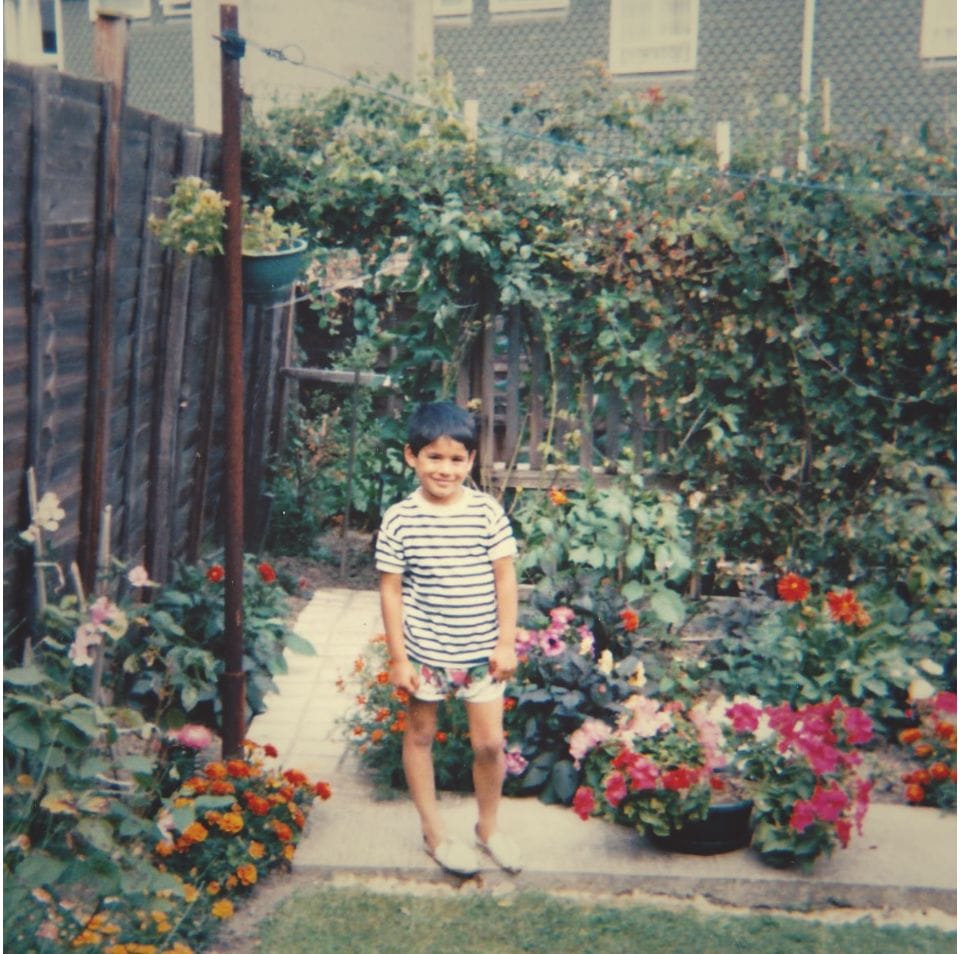
I was very aware, from an early age, that I was different to other children.
I experienced a lot of sadness and depression as a young child and struggled at primary school. It was an uphill battle. I had a few great teachers, but there was typically a lack of support and understanding. There was a tendency to see you as a “problem”, rather than recognising that you are just different and have different access needs.
There was also a lot of shame and stigma at the time, particularly from my family. They didn’t understand or know what to do with me, or how to help me.
Secondary school was easier in some ways. I think I learned how to cope and navigate things better. When I was 15, I started to receive some support in an environment with others who were also struggling. That made a real difference to my wellbeing.
I then went to a community college, where I met lots of interesting people. For the first time, I didn’t feel like the only person in a space who thought and felt differently. It made me realise that it was ok to be different. I am neurodivergent and dyslexic, so I process information differently, but I didn’t know that about myself back then.
At 16, I moved out of my family home and into my own flat. Around that time, I had my first episode of bipolar, a psychotic episode. Then the world changed.
I spent nine months in psychiatric care. While I was there, all I wanted to do was escape. But when I got out, all I wanted to do was go back, because you become so institutionalised. The support I received saved my life, but I don’t think it was always the right support. I learned in those spaces that people weren’t being treated as well as they should be.
I remember a psychiatrist saying to me, “You will never work again and you’ll be on benefits.” For a long time, I believed that. I thought I had nothing to contribute to the world. It became a self-fulfilling prophecy.
The years that followed were very unsettled. I continued to struggle with my mental health and was in and out of hospital. I was known as a “revolving door patient”. I spent many years just trying to survive. I didn’t want to be here because everything felt too difficult.
Around this time, I was also diagnosed as HIV positive. All of these challenges collided.
When I finally got the adult social care support I needed, it came through a housing provider. They helped me build my confidence and made me feel like I had something to offer. I started to see there was a different way of being in the world.
That led me to become really interested in co-production. I began to understand how the world can disable people by not being accessible, and I wanted to be part of the solution.
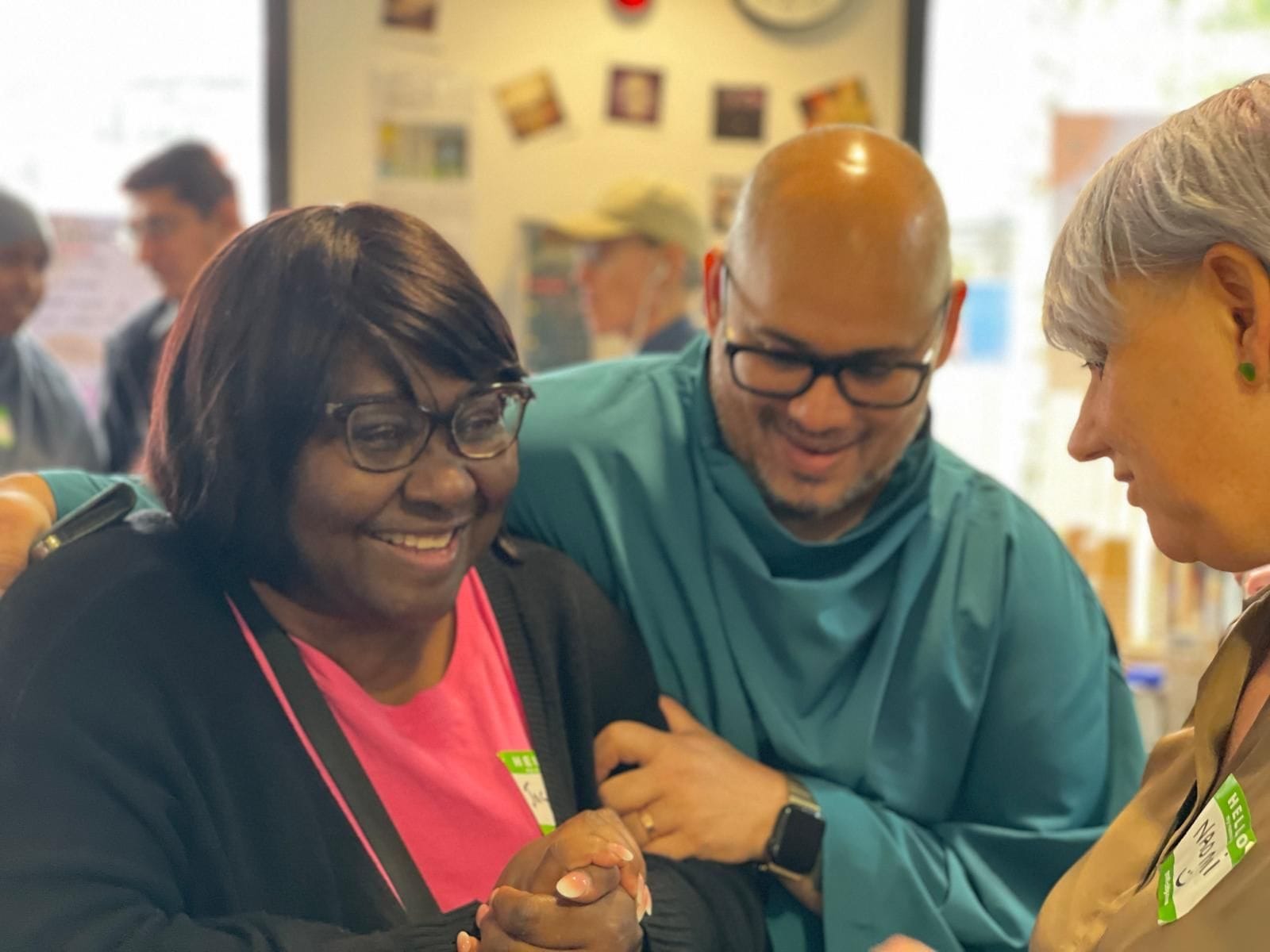
A social worker once asked me, “What do you want?” I remember thinking that was such an odd question, because no one had ever asked me that before. I had only ever been told what I should do.
They supported me to think about what good support would look like, as my housing support was coming to an end. I knew nothing about social care at the time, and they told me about Direct Payments.
The things support is often focused on, like washing and getting dressed, are not life outcomes. They are things people need to do to survive. Real life outcomes are things like living in your own home or having a job where you feel you are contributing to the world.
I used my Direct Payments in ways some people might see as unusual. For example, I used them towards getting a dog. But for me, as someone who was suicidal, having a pet gave me a reason to get up in the morning and a reason to keep living. Having a dog also helped me connect with other people.
I also used Direct Payments to employ a Personal Assistant to help me manage day-to-day life. I’ve had many different types of support over the years, but what made the biggest difference was living in my own home and having someone there to support me to live independently. Having that choice and control over my care was so important.
I also used some of my Direct Payments to do a computer course, which helped me enormously. It gave me the confidence to start thinking about how I could improve my life. It gave me hope that I could have what other people had. I didn’t have to define myself as someone who was always unwell and in and out of hospital.
The things support is often focused on, like washing and getting dressed, are not life outcomes. They are things people need to do to survive. Real life outcomes are things like living in your own home or having a job where you feel you are contributing to the world.
In my 30s, I went to university, against all advice, and got a degree in psychology. That was a huge milestone.
After that, I entered the world of work. I got married. I became a CEO and a Director of a CIC. I was awarded an OBE for my services to social care, because of my work in co-production.
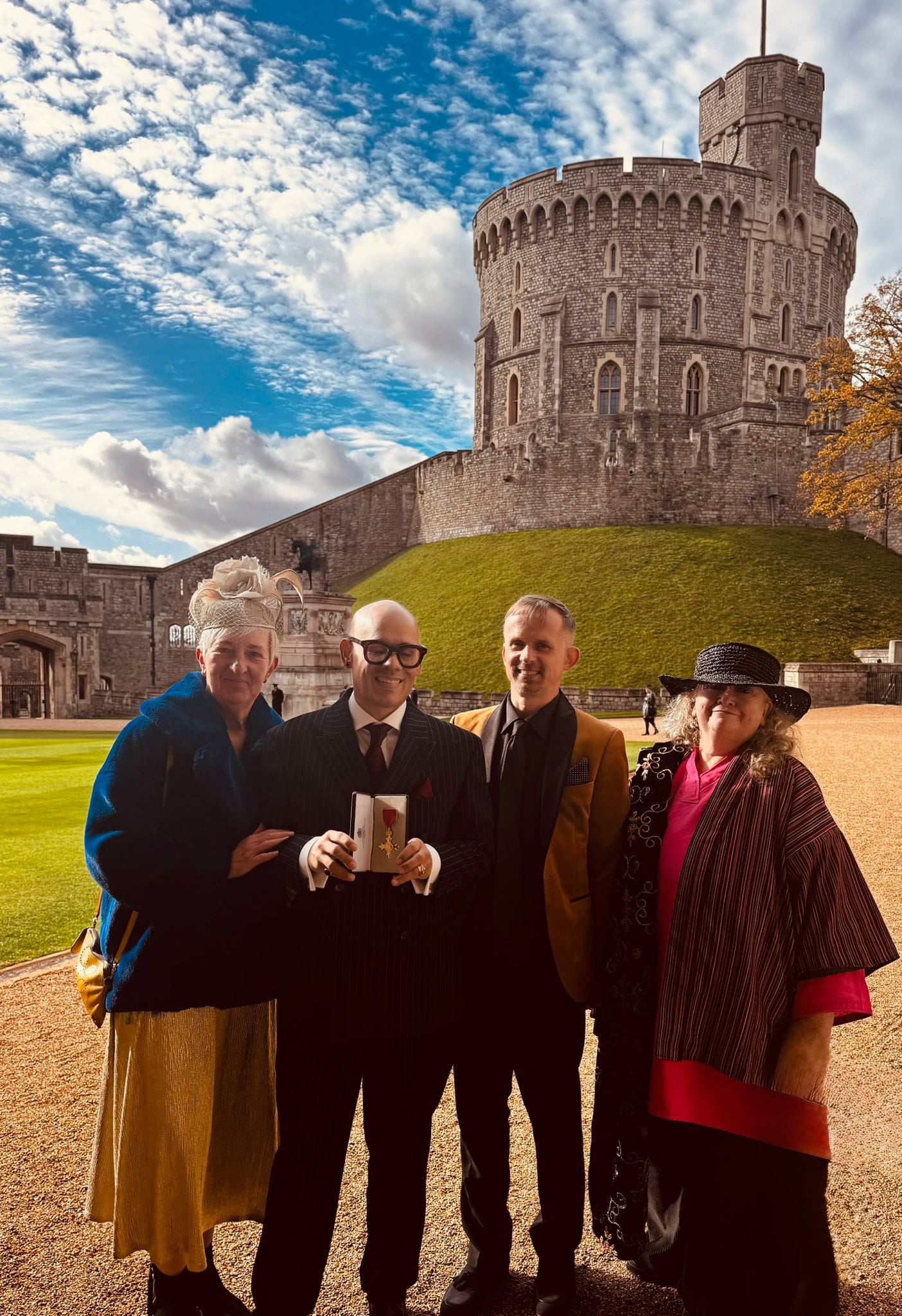
The things I never thought possible became possible because of adult social care. Although it hasn’t always been easy to get the right support, it allowed me to reauthor my life.
Without it, I wouldn’t have what I have now. I wouldn’t be working, married, or paying taxes. I wouldn’t be able to go to the pub with friends. I wouldn’t be able to influence people or help make the world a better place.
The NHS saved my life, but social care enabled me to start living again.
I know how lucky I am. My life could have been very different. I have lost many people along the way because they didn’t have the right support.
I’ll be the first to say that services and professionals don’t always get it right. But often, they do, and we forget that. People go into these roles to help others.
There have been social workers, occupational therapists, and many others who gave me a little bit more hope. And when you are really struggling, hope is everything. It sustains you and moves you forward.
The Government needs to invest in social care reform. We all want to live in a society where everyone can achieve their full potential, but without investment in social care and its workforce, that will be very hard to achieve.
Investing in social care has a wider impact. You are not just investing in people like me, but in what people like me can contribute to society.
I want everyone to live gloriously ordinary lives. A life where we feel safe, loved, and connected. Social care makes that possible for people who might not otherwise have that chance.
We need the public to think about social care in the same way we think about the NHS. You cannot imagine a world without the NHS.
Everyone knows someone who needs support, and most of us will need it at some point. If we want a fair and just society, we need to recognise the role of social care. It is the glue that holds us together when we are not doing so well.