Reflections from NCASC: Seizing the opportunity for social care leadership
On this page
ADASS Trustee Stephen Taylor reflects on this year’s National Children and Adult Services Conference (NCASC), the growing political profile of adult social care and the opportunities for local leaders to shape reform, drive prevention and improve people’s lives.
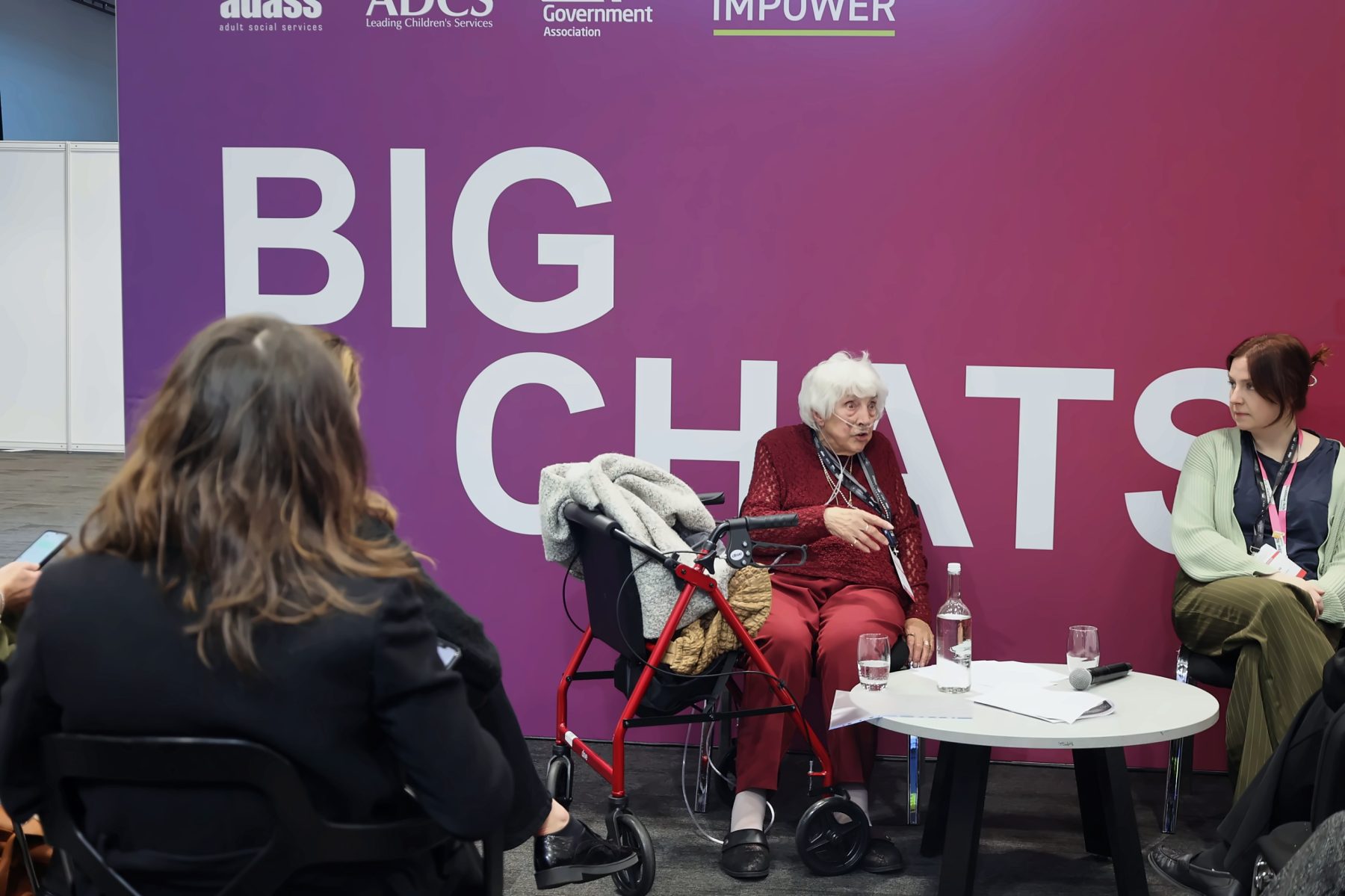
Getting back into the day job after last week’s NCASC has meant taking real effort to reflect on what I heard, discussions I had, and the general uplift of meeting with social care colleagues from around the country, and across sectors. The Microsoft outage meant that many of us ended the conference in crisis resilience mode, which I do think brings out the best in DASS’s, but did distract from some excellent last day sessions.
It was great to be part of NCASC as a new ADASS Trustee, and to witness the planning, co-ordination, negotiation, sweat and toil that goes into making it a success. The work required to get the calibre of speakers we had this year, requires several months of negotiation and a great deal of last-minute horse-trading that is skilfully manoeuvred by the ADASS Team. It does feel like the political rise of social care’s profile is leading to a return to the days when senior leaders saw the benefit of engaging with DASS’s rather than just expecting us to put up and make the best of what we have.
The challenge that I came away with was that opportunities are beginning to open for social care, with a Prime Minister genuinely interested, and a Commission that will have teeth, and is determined to understand the challenge, but we need to be willing to grab it and step into the leadership space. National policy developments around social care, rough sleeping and young people in employment, give local authorities the opportunity to be system leaders in work that can genuinely improve the lives of our most vulnerable residents.
Neighbourhood Health is another good example of this. The name may irk us, and the natural NHS tendency to focus only on extreme frailty and hospital discharge shouldn’t stop us from leading locally in the preventative way we do well. The kind of prevention that genuinely prevents need rather than aiming to avoid hospital readmission. Jim Mackey was keen, when we met with him, to encourage our leadership in this space, and acknowledged the value of our leadership, and we need to work to take this opportunity.
I was involved in several discussions about the shape of a National Care Service, and debate around national and local. I was heartened to hear about the priority given to the national Workforce Strategy for Social Care, being led by the Secretary of State Yvette Cooper, which will hopefully work to increase the value given to the work that’s carried out in our sector. The shocking examples given by Baroness Casey of her time shadowing social care staff, will be similar to those we hear about regularly, and require an increase in training, professional status, and funding , to ensure we can give people the quality of care they deserve.
We clearly need national funding, workforce strategy, standards, and the status to work in genuine system partnership, but I still strongly believe that delivery needs to be local, making use of the leadership and accountability that Local Authorities can offer, and the prevention approach that local systems can deliver.
Last word to our excellent President Phil Holmes, who brought warmth, humour, common sense and limitless energy to the conference! Thank you Phil! Spring Seminar will soon be with us!