Dave’s story: ‘No one knows what is coming around the corner’

In 2013 Dave Cole was diagnosed with epilepsy and has had decades of mental health struggles. Thanks to the support of his carers, coupled with Technology Enabled Care, he is now living an independent life and working part time again. This is his story.
My name is Dave Cole. I’m 49 and I live in Wimborne in Dorset. I’m a nature lover. I love walking. I love music, my favourite genres are soul and jazz. I’ve also got some health challenges that I’m overcoming, but I don’t want that to be everything about me.
No one knows what’s coming round the corner. I didn’t know that in 2013 I was going to be diagnosed with epilepsy. I didn’t know, when I was 14, that I was going to have decades of mental health struggles. I didn’t know that I would have problems just going for a walk. It was a big challenge and it really changed my life.
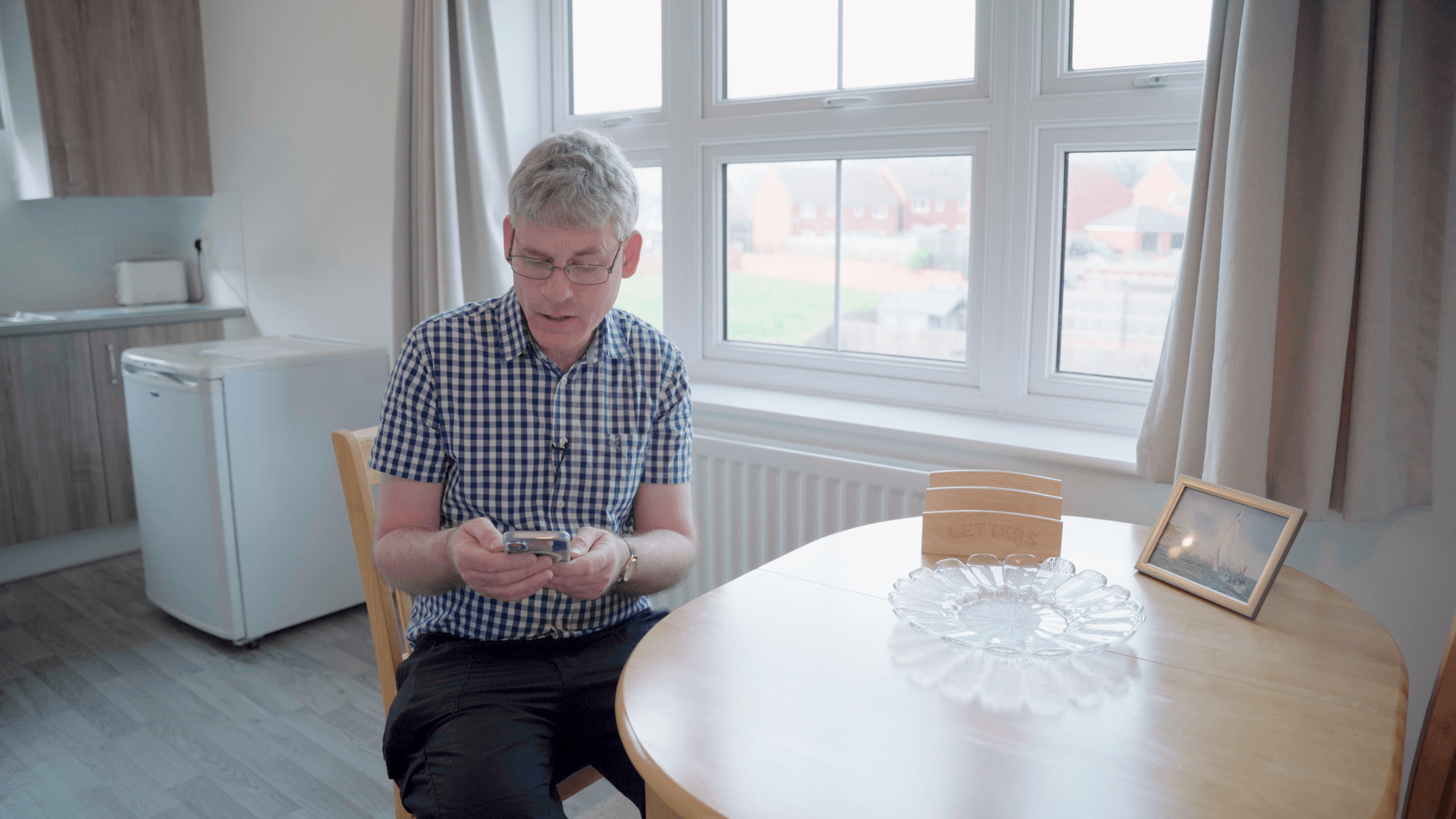
When I moved into the flat I live in now, my biggest worry was having epilepsy and living on my own for the first time in many years. I worried about what would happen if I had a seizure when I was alone. I’d think, “what would happen if I had a seizure that didn’t stop?” Despite these worries, I really wanted to try independent living. I was determined to find a way to make it work so that I could feel safe in my own home.
To help me live independently and feel safe, I get daily support from carers who come in for about 45 minutes each evening. Because of my mental health challenges, I often struggle with motivation. My carers make sure I have dinner, support me with shopping, and help me stay on top of everyday tasks and keeping my home in order. These are things I’ve sometimes neglected during periods of poor mental health. If I was left to my own devices, I’d probably just eat chocolate. I’m really grateful for the support they give me.
If it wasn’t for my carers, I don’t think I would be where I am today. Their support has made a huge difference to my life and helped me get to a point where I can live more independently. More recently, I’ve even been able to reduce my home care hours because I’m doing so well. That was my choice, not because the support wasn’t working. It’s reassuring to know that the support is still there and can be increased again if I need it.
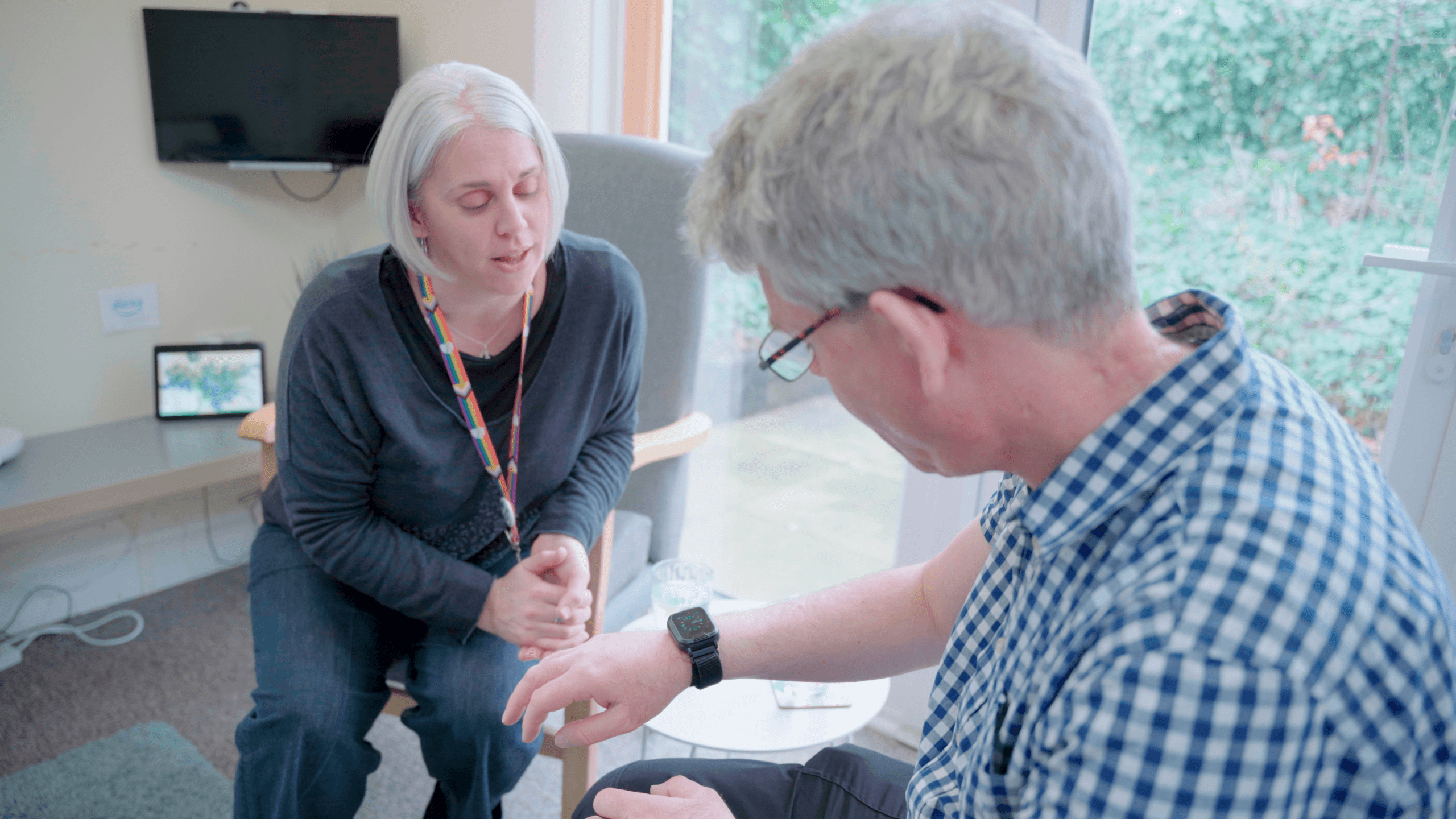
I also rely on Technology Enabled Care, often called TEC. It means using simple technology to help people stay safe and independent, rather than relying purely on support from carers.
I visited the Dorchester TEC Lounge at Dorset Council, where you can try out different digital gadgets that can help improve your quality of life. After just one visit, my mind was put at ease. Living independently didn’t need to be the frightening prospect I was expecting. The staff showed me simple, practical devices that help with reminders, routines and appointments, things I didn’t even know existed. Suddenly, managing my epilepsy and staying safe felt achievable.
Now I use simple tools that help me stay organised day to day and keep on top of important tasks. This has made a real difference to my memory and overall stability.
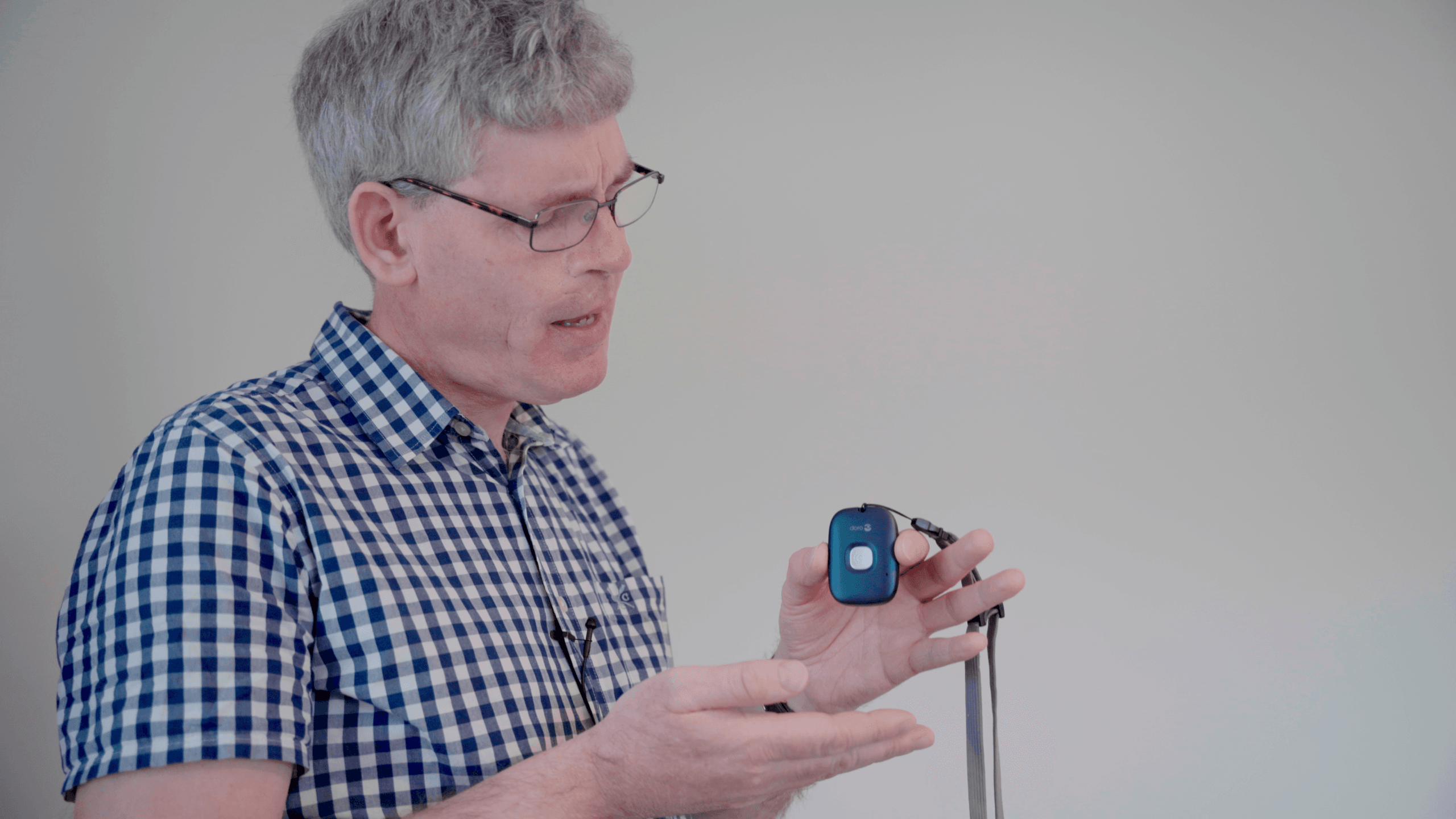
One of the biggest changes has been being able to go for walks again. After my diagnosis, I was no longer able to go out on my own because of the risk of having a seizure. The council gave me a falls alarm with built-in GPS, which I wear around my neck. It means I can go for a walk independently and, if I were to have a seizure and fall, it would send an alert to a response centre with my location. The battery lasts all day, so I can walk for as long as I like. It has given me a real sense of security.
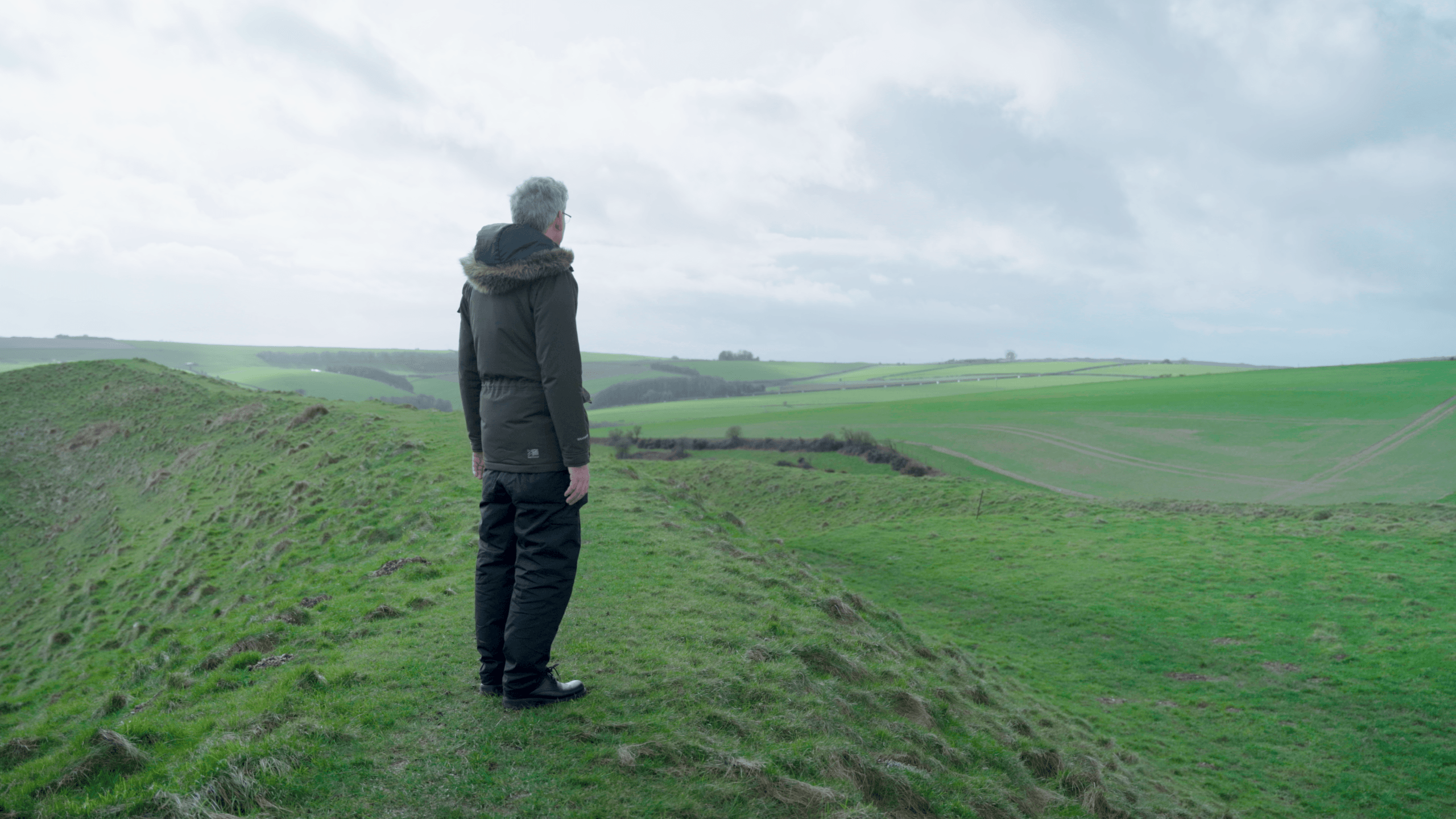
Walking is so important to me. The sun, the rain, the wind, the grass, everything about it just makes you feel alive. Without my falls alarm, I wouldn’t be able to enjoy a beautiful walk in the countryside on my own, whether that’s in the Purbeck Hills or along the River Stour.
I also use the Brain in Hand app to help me cope with day-to-day challenges. You log your mood using a traffic light system: green if you’re ok, amber if you’re anxious or overwhelmed but not in crisis, and red if you need immediate help. If you are struggling, whether it’s anxiety or low mood, it offers coping strategies like breathing exercises or writing things down. In my case, I often put on music.
TEC has also given me the confidence to get back out into the community. I now go to folk music nights, theatre shows, and an epilepsy support group. Before, I didn’t feel able to do these things because of anxiety and worrying about having a seizure in public. Knowing I have the right technology in place to keep me safe has made all the difference. It’s given me my independence back and I am able to do the things that matter to me.
Thanks to the care and support I receive, I’ve also started working part-time again, which I never thought I’d be able to do. I now work with Dorset Council as a Quality Assurance Lived Experience Adviser. It’s about being the voice of lived experience, not just my own, but for others too. Over the years I’ve been a carer for other people as well as having my own care and support needs. I never thought I’d work again, so I’m just really pleased to have the opportunity.
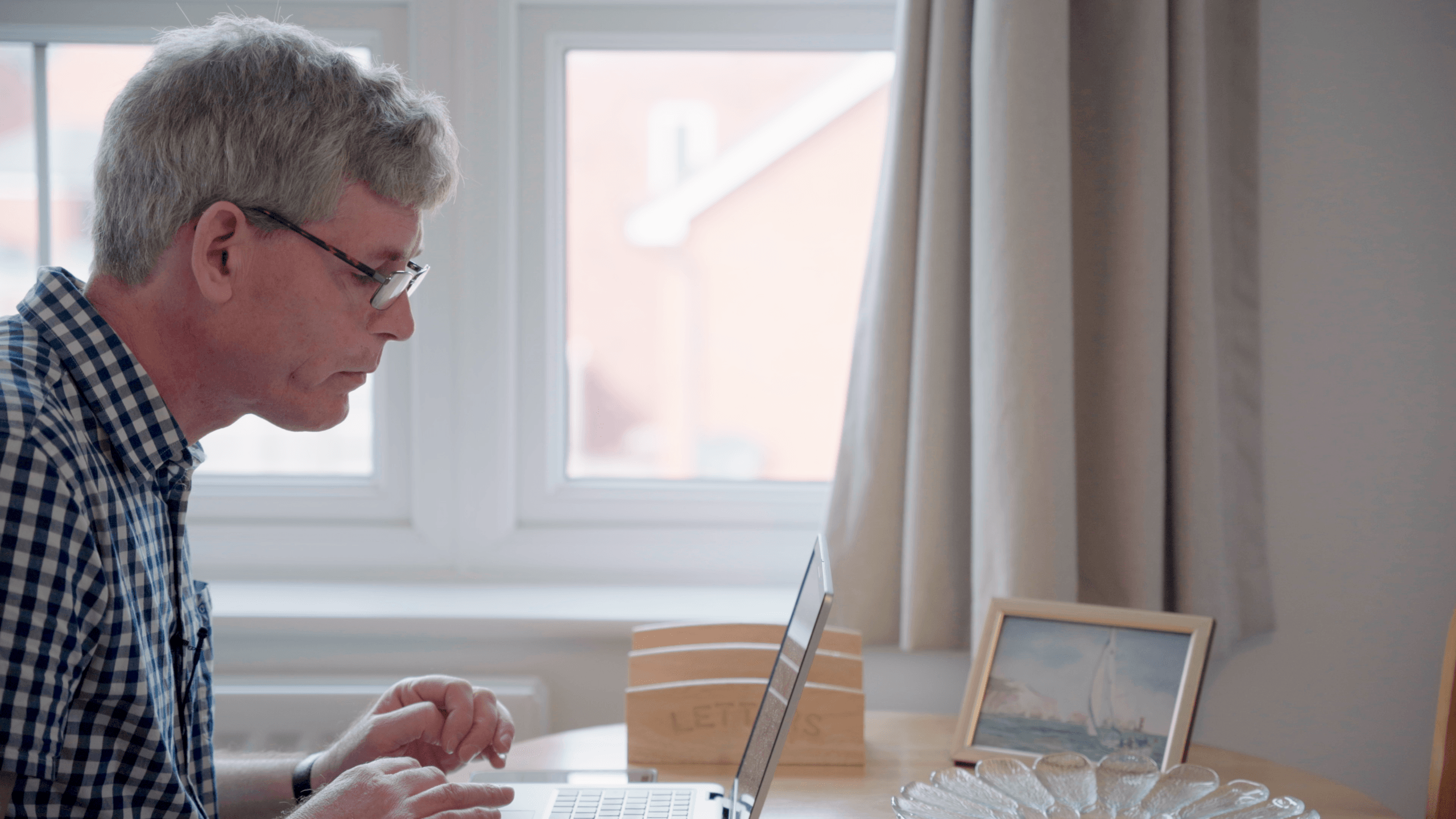
My message to leaders and decision-makers is that everyone should be able to to draw on the level of care and support that is right for them, at the right time, and in a way of their choosing. Restrictions and obstacles preventing people from living the best quality of life they can should be removed wherever possible.
Behind every person on a social care database is a unique individual with a past, a present, and a future that should be shaped with them, not for them. This is the way to better outcomes, and this is why care can’t wait.
Take action: Join the Care Can’t Wait campaign
Sign our handraiserWe should all have the chance to live a good life, and social care allows us to do so.
But sadly, too often, this isn’t the reality for everyone in England today and without the glue of social care, lives are falling apart.
Without urgent action, care and support for us and our loved ones may not be there when we need it.
That’s why, together, we can and must transform care and support. By demanding ambitious reform and proper investment, we can build a network of care and support that works for everyone. Join our movement calling for change. You’ll receive campaign updates and discover how you can make a difference in your community and nationally.
Please join us, because care can’t wait.